Wednesday, August 23, 2006

AIR SHOW AT CAMARILLO

About the Air show:

The Air Show at Camarillo is a nice two day event, not a major air show but it does attract quite a variety of vintage and experimental Aircraft on static and flying displays. The event this year was inaugurated by the famous pilot Dick Rutan who flew the Voyager Aircraft non stop around the World in 1986 thus setting a new World record.

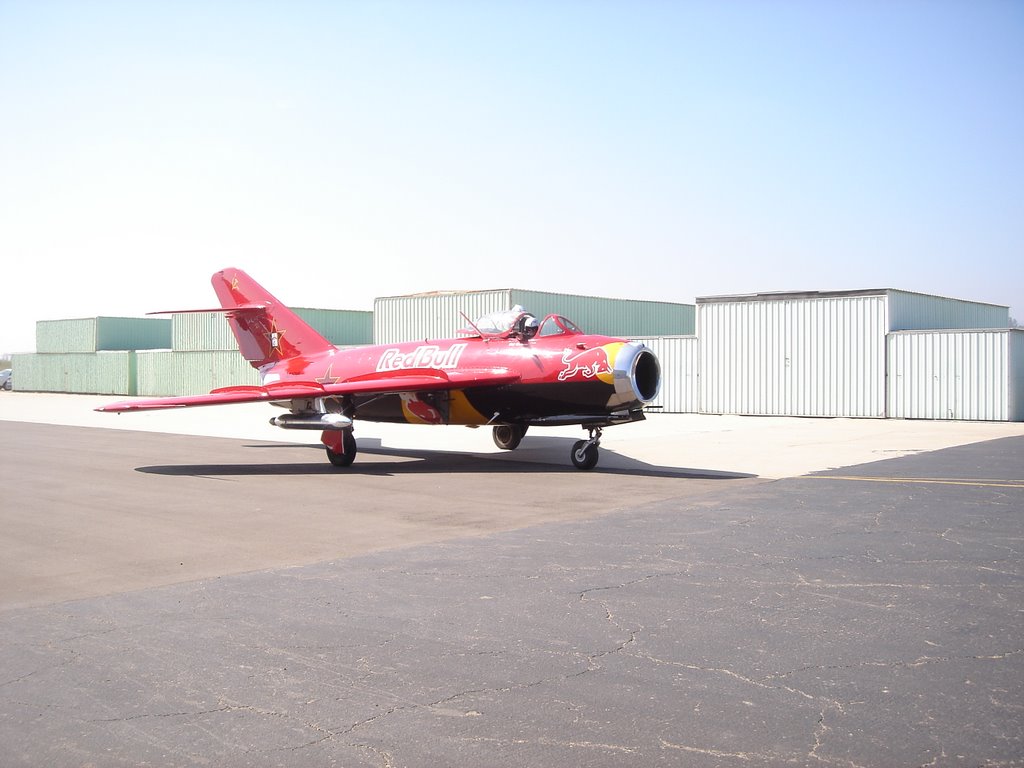
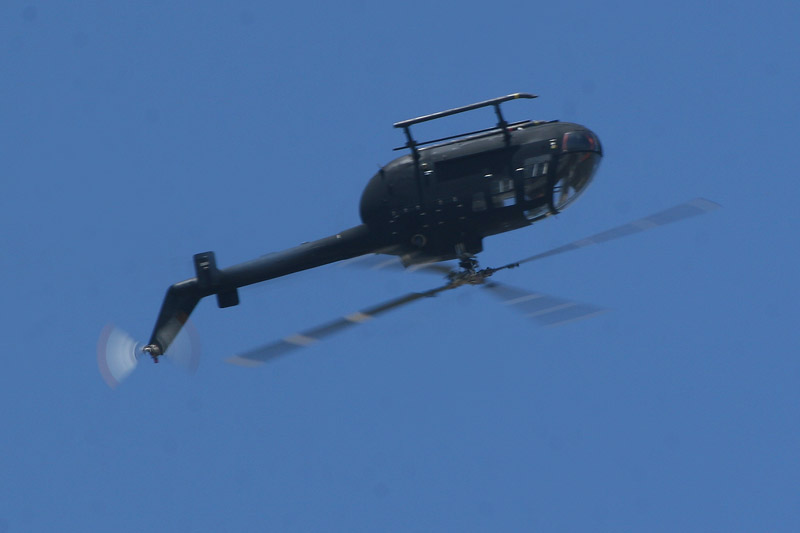
The Camarillo Air Show is well organized and featured a new act this year in the form of a German helicopter stunt flying including performing loops, yup, in a helicopter and a Soviet MiG-17 aerobatic display, for the first time ever. The MiG-17 is operated by Red Bull (yup, the drinks company). What makes it interesting is that many of the Aircraft on display are based locally.
PT Ryans next to us engines running --->


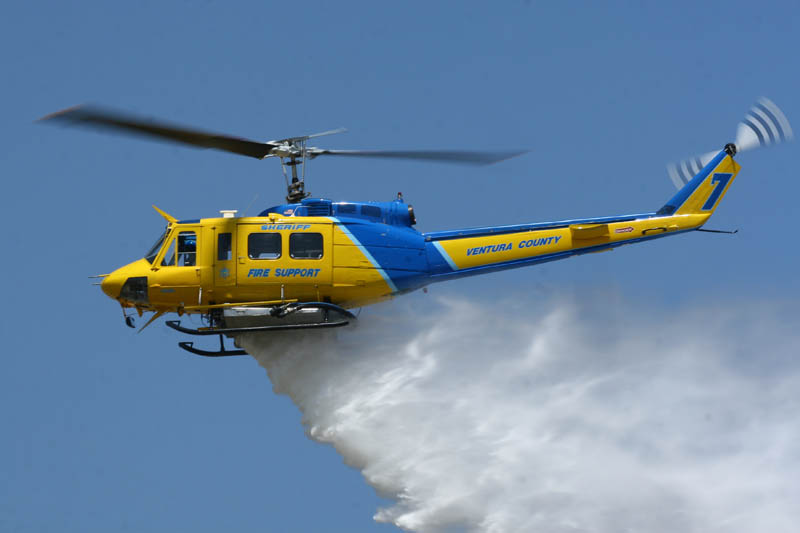
<-- Fire Department Helicopter

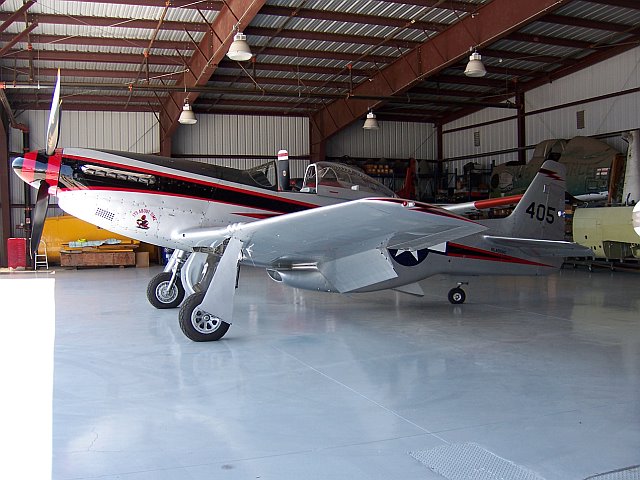
There was a beautifully resorted United Airlines liveried DC-3, many types of experimental Aircraft including microlights and other GA Aircraft that had brought in visitors. There was formation flying of PT Ryans pictured below, B-25 Bomber pursued by a P-51 Mustangs and a F6F Hellcat. There were other types such as the Yaks and Texans too.

The Air Show flight displays started with an American Flag towed by an banner plane. Soon after that the sounds of the many airplanes starting their engines to perform their routines reverberated through the airport area.


<--- Me in the Blue T-28 in a turn


Mike Maloco's plane in formation with us


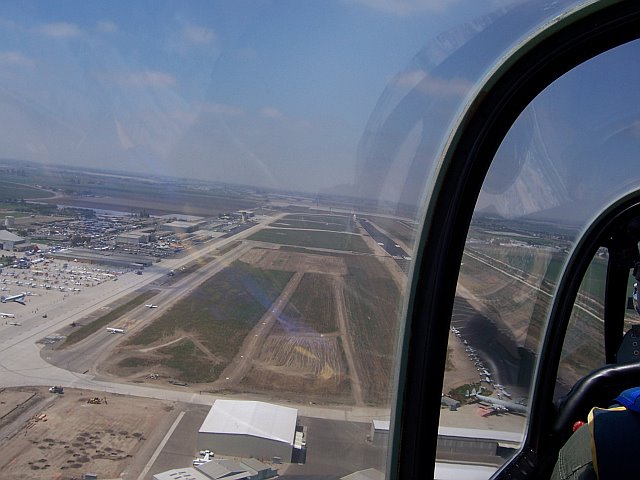
Final approach into the airport where we did a high speed fly-by in formation, my view from the T-28, tarmac on ground to the left had the static displays.


Bar-B-Q:

We were at C&J Sales located on the Airport and Chuck Smith our gracious host (I have written about him in the past) had invited more than 200 people for a Bar-B-Q. He had called in a master Bar-B-Q Chef called Marshall’s Bodacious Bar-B-Q who dished out some of the best ribs, potato salad and grilled veggies including eggplant, zucchini and Portobello mushrooms for veggies like me.

Every one were having fun all around, watching airplanes fly around in formation, perform aerobatics and generally soaking in the atmosphere. What started off as a foggy morning soon cleared up to be a nice sunny day. Fair weather pilots paradise, this place, with average of 75 degrees Fahrenheit nearly year round. That’s T-shirt and shorts weather year round. These Camarillo natives are indeed a spoilt bunch. Chuck Smith being one of them, a real nice guy and a successful Raytheon Beech Aircraft inventory holder and seller, not to mention all the warbirds he has on his inventory including perhaps the most T-28’s anywhere.
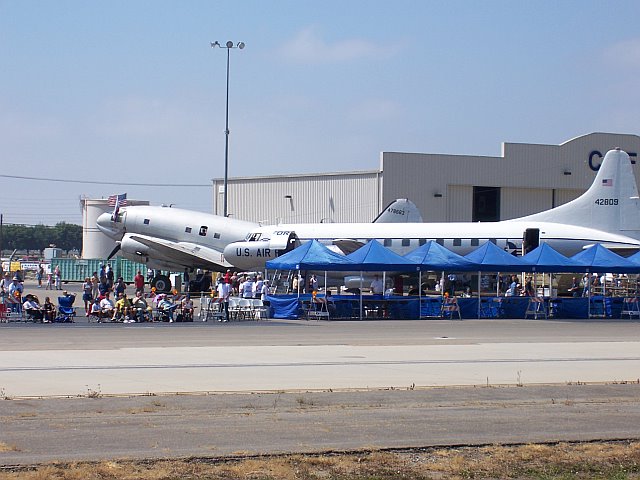
Static displays on tarmac United DC-3 below


My flight:

Somehow my participation went beyond just attending to actually flying in a T-28. Chuck said to me as I came in that morning that I was to be flying the Navy Blue T-28C courtesy its owner and pilot Andrew. Needless to say, that made my day even before we took off. The second Airplane was going to be an Orange and White T-28 piloted by Michael J. Maloco, a real nice gent.

I was briefed about the location of various controls and equipment on the Aircraft, especially the bailing out procedures i.e. to jump out of the Aircraft with a chute if there was a loss of controllability. I took along a camera to take pictures. We were to head out over to the desert, perform some maneuvers and come back in formation to the Airport, make a pass, perform a dramatic left turn and come in to land. The whole trip took a little more than an hour.

I had had one flight on the T-28 before this and was prepared for the starting procedures. The oil pressure is allowed to come up to about 10 pounds and the engines cranked just to loosen up and make the oil circulate around the metal parts. Starting the engines is an event, causing huge amounts of blue black smoke from both sides stacks that comes swiveling into the cockpit whose glass canopy remains open. It gets very hot once the cockpit canopy closes so it is common to keep it open till just before entering the runway for take off. We taxied past all kind of static displays and it was wonderful to see people start to come in bright and early on the weekend to soak up the ambience, and the sun.

After a run up, we closed canopy and took off in formation, peeling off towards the desert. After an eventful flight out, we returned in close formation and I was trigger happily taking pictures all along. I noticed that the Cars on the freeway were slowing down, watching us descend into the airport in formation, causing a mini backup!

Once the flight was done, we airmen hungrily wolfed down everything that Marshall had to offer, relaxing on the chairs that Chuck had put out in large numbers for the guests and watched the rest of the displays. My friend Kevin St. Germain (Mentioned in fast jet from Oz and other posts in my blog) had a flight into Van Nuys nearby and he managed to make it to the Air Show, thrilled to be there and enjoy some of Marshall’s cookery. Then there were all my aviation friends, newly made friends, Gary Goltz and family, Richard, John and so on.
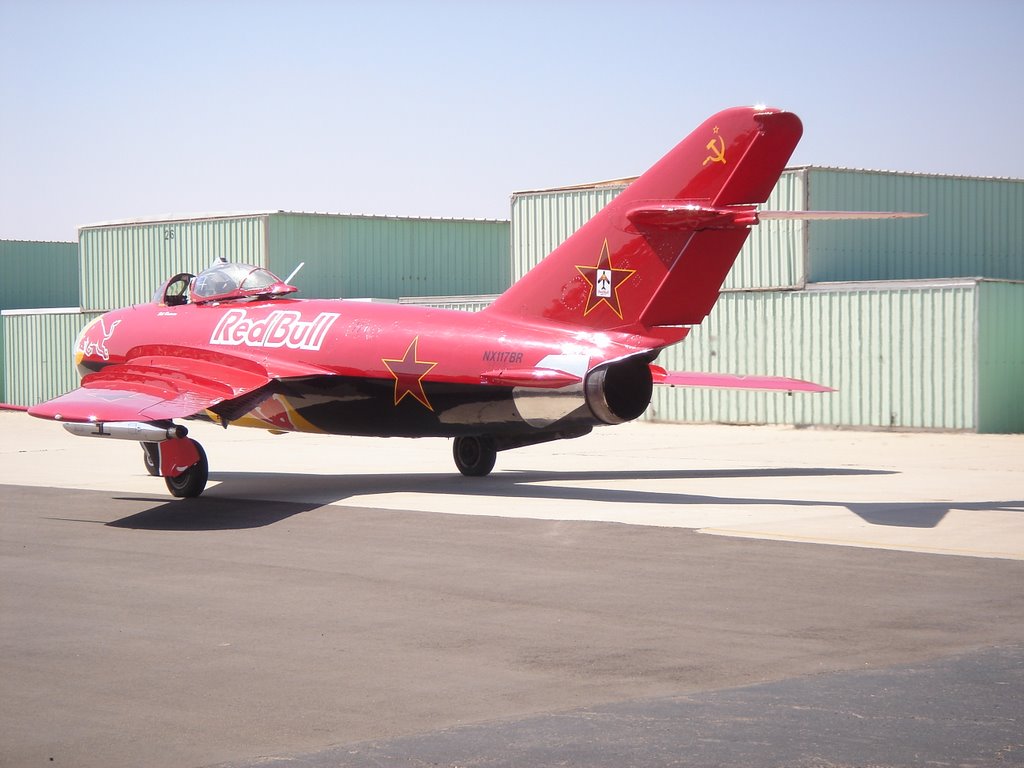
MiG - 17 piloted by Bill Reesman, first time atthe Camarillo Air Show

MiG-17:

For the first time at the Camarillo Air Show, we had Bill Reesman flying the red Bull Soviet MiG-17, able to fly at more than 600 miles an hour and reportedly climb at 20,000 feet per minute. We met Bill and his wife after the show and they are located almost next door to Chuck’s hangar.

The helicopter also reportedly operated by Red Bull had Chuck Aaron fly the machine, performing such stunts never commonly seen in a helicopter including full loops. Taking pictures from the ground, of a MiG-17 at high speed is near impossible for amateurs like me so I had to take them as Bill went past us taxiing.
Chuck Aaron looping the Helicopter, bet you haven't seen this one before!

Look for me in the rear seat of the Blue T-28, my baseball cap a dead giveaway, shot by someone from the ground and sent to us by mail. Thanks mate, appreciate it.

The next Air Show at Camarillo is going to be around the same time next year so watch out for that. Call me early and maybe I can swing an invite from Chuck to come over and enjoy Marshall’s even bigger BBQ next year! Wink!

A few friends took some more pictures and I have some of the B-25 and I will post them soon. Hope you enjoyed the ride with me!

Monday, August 21, 2006

CHICAGO O’HARE

Time is not on my side but I have been itchy to keep writing prompted me to do filler article. The Camarillo Air Show just got over last weekend (20th/21st August) and I had lots of things to do flying vintage Aircraft in the event but that story is yet to be written and photos still in the camera and need to be downloaded first. Meanwhile, here’s something about an airport I keep passing through often.

This is about Chicago’s O’Hare International Airport, like other airports around the US; this one also has a historical significance. The Airport once used to be the busiest in the World.

In the terminal, they have a static display of a F4F-3 Wildcat Aircraft the same type that was flown by Henry “Butch” O’Hare, a young Second World War pilot; his exploits and details are available all over the net. I thought I’d post some pictures of the airplane in the terminal and write a few things about the Airport. What is also known is that before the airport was renamed as O’Hare after the famous pilot of the same name, the airfield as it existed back in the old days was called as Orchard Field. That’s why the three letter airport code for this airport still remains “ORD”. My photos are a bit underexposed, I was in a hurry between flights and my flash was not at its best.
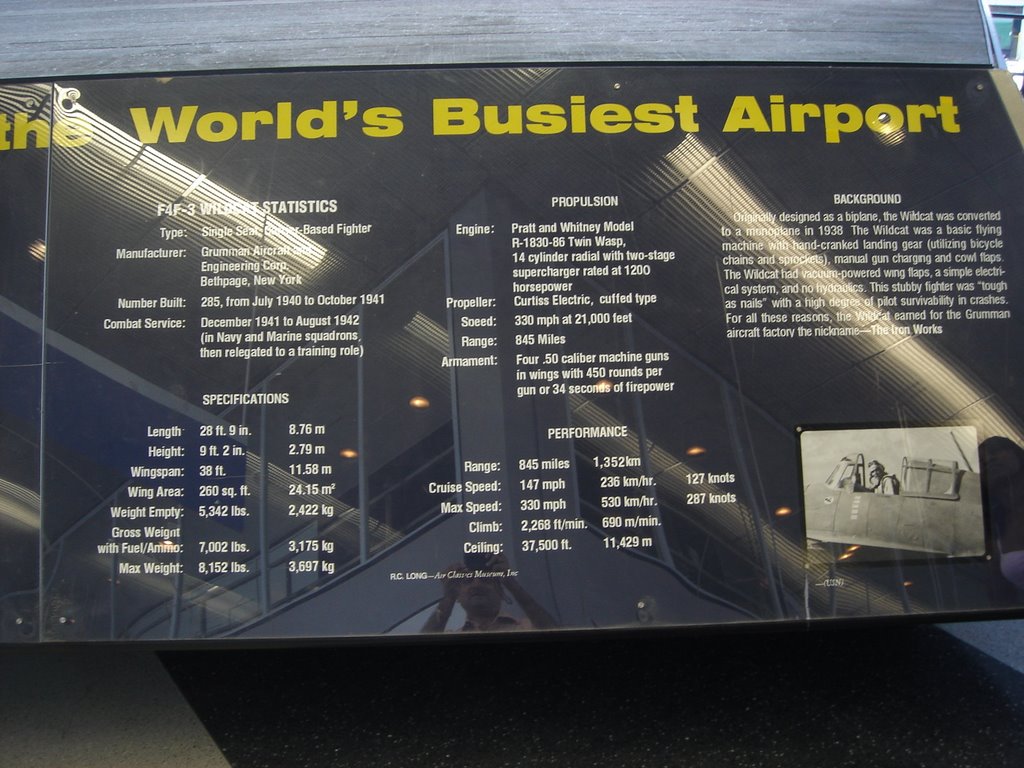
Some of the details of the Wildcat are also mentioned in my photo below, hope readers can read a bit of it!


The wildcat F4F-3pictured below that Butch O"Hare flew and had great success in WW II:


My next one, coming up real soon, will be about the Camarillo Air Show and how yours truly had a fabulous time with vintage Aircraft, participating in tight formation flying and I promise you those pictures are going to be great.

Vintage Aircraft has been my area of interest as you may already gauged, from my previous write ups. History, archaeology, old bones, digging up dinos (not really) and such has been my passion. Hope you enjoy the ride with me as I become vintage myself, with the passing of time.

Friday, August 11, 2006

SING TRIVIA

Been busy traveling as usual so I thought I'd report a few things before my next big write up. In Singapore, they celebrated their National Day on 9th August. They have been independent from Malaysia for the last 41 years. It was also significant that this was going to be the last time they were going to hold the multicultural show at the National Stadium. This stadium, built 33 years aso has hosted football matches, rock concerts and even the pope (as in The Pontiff). They are going to pull the old structure down (looked good to me even now) and build a new one with state of the art facilities. The evening highlight was multicultural dances, the military displays and lots of fantastic fireworks. The party continues till the weekend, with parades and events happening every day. I wish Singapore renewed success.

On the Aviation front, the next day was an aviation history day for Singapore. As reported in The Straits Times, Singapore's leading daily newspaper, "on August 10th 1959, a Qantas Boeing 707, the first of its type to land here, touched down at Singapore Airport (see my earlier article about Seletar Airport about locations of Airports in Singapore) two hours and eight minutes after landing in Bangkok. This is the fastest time recorded by any civil airliner on this route"

Our Aircraft are getting ready for delivery last week of this month and I will be posting pictures of that. They are getting new executive plush interiors and new paint including the Indian National Flag on the exterior. I have to head back for the US in a day to pick up one more for the fleet and bring it to Singapore for the same refurbishment work. There's more travel writing coming this way, watch this space and thanks to my readers for their kind support.

Monday, July 31, 2006

VINTAGE AT SUNPORT

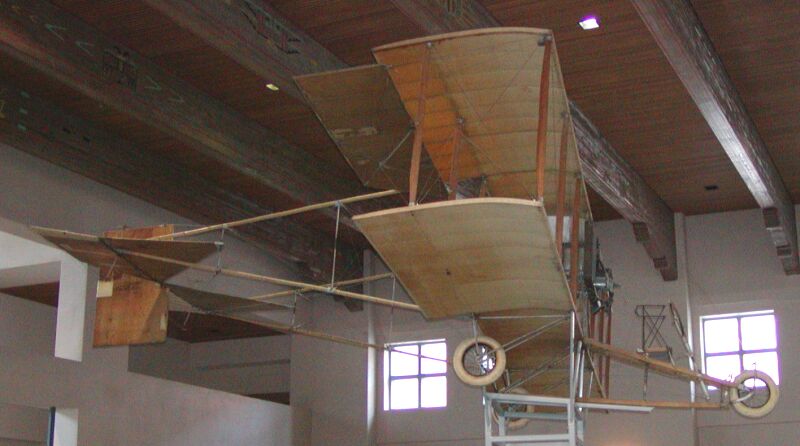
The Ingram Foster Biplane hanging from the ceiling at ABQ International Airport


The Foster-Ingram biplane with the information board underneath


I was in Albuquerque, New Mexico on the 10th of July. Primarily my job was to visit the Eclipse 500 VLJ (Very Light Jet) design and manufacturing center located there. I did write about the VLJ earlier. Just a quick note again, a VLJ is like a really small personal jet that some companies are also thinking of using as an air taxi service. The entire concept is new and it remains to be seen whether it makes business sense to operate a VLJ as anything other than a personal toy. The Eclipse 500 has some worthy competition in the form of the Cessna Mustang, and Embraer Phenom.

I was on my way out of Albuquerque and was at the ABQ Airport (Sunport as it is called fondly) and proceeding towards security and the gates; I came across a large hall. Hanging from the ceiling is an old biplane. The aviation department of ABQ has set up an information board underneath the hanging biplane. I was early and had plenty of time to hang around and read the stuff, take notes and gaze at the display. Unluckily, I had left the camera in my checked in bag and there’s no way of retrieving it. Luckily I had a camera phone. Saved the day although that’s probably not the best tool for better photography.

The hanging airplane is a real one, constructed in the year 1914, from original materials. The model is a 1914 Ingram-Foster Biplane based on a popular Curtiss Biplane. It is mounted with a Roberts engine rated at 100 HP. The airplane is constructed out of wood, fabric, metal and bamboo.

Jay Ingram, a Ford car dealer those days based at Decatur, Texas, met Charles A. Foster who had been flying a Curtiss Pusher Bi-plane and using the same design, made their own airplane and called it the Ingram-Foster Biplane. The present one was also manufactured by them and kept in a box until it was sold from a private owner to the ABQ Museum and Department of Aviation in 1987. The ABQ Department painstakingly put the Airplane together and has now displayed it.

Glen Curtiss, the original designer of the Curtiss Airplane was the main rival for the Wright Brothers between 1909 and 1911 and his models were copied by many others. Curtiss Airplanes made a lot of historical records in Aviation.

1908 – Glen Curtiss won $2,500 from Scientific American to fly an “officially witnessed” flight of 1 kilometer (0.62 Miles).

1911 – Eugene Ely with a Curtiss Pusher was the first to take off from the deck of a ship. In the same year, with a similar type of Airplane, Lincoln Beachey was the first to fly an airplane upside down. He also set the altitude record of 11,642 feet.

1913 – Again Lincoln Beachey was the first to loop the airplane.

In the year 1911, a Curtiss pusher, delivered from the factory at Hammondsport, New York, costed $4500-$6,000 depending on the size of the engine. Today’s value would approximate $78,000 for the upper end model. The engines were 4, 6 and 8 cylinder ones. The last one was required to fly the Airplane out of hot and high airfields such as ABQ.

All this information can be found beneath the hanging Ingram-Foster biplane. The one thing I found wanting, is that there were no brochures or printed information leaflets, that one could have carried home. The next time one of you go to ABQ Airport, look it up, take some pictures and be nice, pass them to me, for posting!

Monday, July 17, 2006

FROM 39,000 FEET

For a change, I don’t have to sit up front in the cockpit and fly. For a change I am sitting in the passenger cabin of a mid sized corporate jet. The airplane we are flying is a Raytheon Hawker 800XP, taking off early from Van Nuys near LA across the USA to Little Rock, Arkansas. My seat is a plush lateral and side tracking (means that the seat can swivel around in all directions), work table, phone, electrical outlet for my laptop, remote control audio and video. I get to eat fresh strawberries, cookies, muffins etc while someone else flies the plane. The airshow monitor shows that we are doing 499 MPH at 39,000 feet and the outside air temperature is -58 degrees. Why am I doing this trip? We are going to Little Rock (home of President Clinton-no we are not visiting him) where Raytheon Hawker has their new Aircraft completion center. We are half way there already, time remaining 1 Hour and 10 minutes. Total flying time is 3 Hours and 15 minutes with some headwinds coming our way. That’s not too shabby for an airplane this size.
Chuck, Boss and me in the back of the executive jet

We are flying in a 2002 model and going to see some new ones with options, all at the manufacturers cost. It does feel funny to be sitting back here instead of the familiar environment of the cockpit, wearing a full shirt, corporate style trousers, feeling like a millions bucks. But, I’ll take it! I did visit the cockpit, chatted with Capt. Errol, who is flying the airplane and talked about India. He thinks India is a growing economy and is surprised at the number of airplanes that Indian companies are buying. I agreed with him, of course. I am a part of that acquisition action at the moment anyway. I look behind me and three guys including Chuck Smith, Doug (from hawker) and my boss in an animated conversation about airplanes.


Me writing this blog from 39,000 feet

The boss does not profess to be computer literate, although he has a very sharp mind and can do basic stuff like e-mail. He is a smart operator, excellent with marketing the product and is averaging nearly double the hourly utilization in the World charter market and that’s not shabby either. Nice guy to work with, we take turns calling each other as “boss”, confusing everyone around us as to who is actually the boss. We are more like colleagues but he writes the checks and that’s good! That’s the way it is supposed to work, I fly the plane and he pays the checks, how much more fun can it get? I do lots of other interesting stuff on the side and that’s OK by him and the company and hey, I got nothing to complain.

I did not start this way, though. I have gone through trials and tribulations on and off, getting experience as I went from place to place flying around 22 different types of airplanes of all types, working for peanuts and trying hard not to turn into a monkey. Seems to me that I have indeed arrived, sitting in plush comfort with a bunch of people worth millions sitting around me. At the end of the day, I’d still like to get back to my familiar environment and take the controls.

We are coming up on Norman, Oklahoma as I write. That’s the same place where about 17 years back, I trained and obtained a Flight Instructor license that allowed me to teach people to fly airplanes and get their commercial pilot licenses. That was a fun gig too, didn’t pay much, but fun anyway. My wife always told me that I was a good instructor, probably because I talked so much, constantly. Norman also has the National tornado research center. Anyone who has seen the movie “twister”, this is where the storm chasers are based at and this is in the heart of the tornado belt in the United States.


Boss and me, notice Indian flag flying high in Little Rock, Arkansas

We are turning towards Little Rock now and time to close my computer, we will be descending soon. We are flying back the same afternoon, after enjoying some lunch at their facility and looking at various Aircraft at different levels of completion. We taxi into the Raytheon Hawker facility, a large complex with a private terminal and get off the airplane. There’s some of the top brass waiting to receive us and the best part is that they are flying the Indian flag on their flag pole as a sign of welcome! We have arrived indeed. My Birthday gift came early, a day early actually, I’ll still take it.

Friday, July 14, 2006

THE MIGHTY MUSTANG

Thats me, the not so legendary guy, on the legendary WW II Fighter
Aviation buffs and history buffs will like this one. We are talking about the Second World War and the flying machines that did the Germans and the Japanese in. I had written about North American Aviation designed and produced WW II trainer called the T-28 Trojan in my earlier post and had also mentioned that the same company had designed and built the most successful fighter Aircraft of World war II that surpassed even the legendary Spitfire and that was called as the P51 Mustang. This piece is about the P51 Mustang.

I am still due to write about the T-28 flight but I’ll do that after my little side trip to Reno, Nevada in a B200 turboprop this weekend, followed by a Hawker 400XP executive jet day trip all the way across the US and back the same day on Monday. I still have a lot to blog about my trips to three different cities scattered across the US in the preceding four days and two of these cities have aviation historical background that I found interesting. That’s coming up next.

The P51D Mustang sitting in Chuck's hangar at Camarillo

Meanwhile, there are very few flying P51 Mustangs in the World and two of the best pieces happen to be here in Camarillo, California, where yours truly has landed up, exhausted, after all the other trips. How fun is that! To have one P51 sold to a guy in Sweden by Chuck Smith of C&J Aircraft sales (I had written about him and what he does, in my T-28 Trojan article) and that airplane parked in Chuck’s hangar for us to see, up close, real close!

Vidya had written in a comment on my article “out of Scotland” that my trip read more like the legendary fictional World War II fighter pilot called Biggles and there were a series of books on him. I guess Biggles flew the Spitfire alongside the allies the Americans flying the P51 Mustangs. The engines used were the Rolls Royce - Packard Merlin, so the Brits can claim proudly that their engine had good success on the American airframe. This Airplane out flew everything the Germans and the Italians and whoever were a part of the Axis powers had, in fact they destroyed 4,950 enemy Aircraft over Europe during the War. The 12-Cylinder Vee engines developed 1695 HP and the Aircraft top speed was 437 Miles per hour! That’s fast, by the way.

It’s a treat to be around such vintage Aircraft. These are the same airplanes that we, as kids read about in those commando comics borrowed from the neighborhood library for 25 Paisa per day, I think, and fantasized about flying those machines. If I had been stuck in one place in India, I’d never have had this opportunity but luckily I have been fortunate to be able to roam around the World and be able to see, feel and maybe even fly those magnificent flying machines.

Lots more coming up …

Friday, June 23, 2006

PART 1: OUT OF SCOTLAND

I was recalling some of my earlier flights with a friend recently and thought I’d pen a few things about those trips. In a mini series sort of way, I will write about the North Atlantic crossing in some three parts I think. Somewhat like the Star Wars prequels, myself Luke Skywalker (my father’s no Darth Vader, though, his voice is not deep or raspy enough) will attempt to tell this true story of a crossing that happened a long time ago in a galaxy far, far away. Fairly recent actually, about six years back but it does feel like it happened in the distant past! This is the first part of that trilogy of sorts.

I have done a few North Atlantic ferry flights both ways, in small piston engine short range Aircraft as well as turbine powered Aircraft able to make the hop across without stopping over in Greenland in between. The general air route from Canada usually takes place between Goose bay, Labrador region of Canada, over flying Greenland and landing in Reykjavik or Keflavik in Iceland and then on to the United Kingdom. The alternate jump off point is St. John, Newfoundland in Canada and going the same way. Goose Bay weather is better than St. John, most of the time and is my usual choice for a jump off point across the pond.

On this occasion, I was flying a small, ten seat Britten Norman Islander twin engine piston Aircraft, non-pressurized and with no heating, on a delivery flight across the North Atlantic the other way, which is crossing from the U.K. to Canada. The Aircraft, made in the U.K., had a very short range, in that it had limited fuel capacity and hence could fly a limited distance before re-fuelling. Authorities would not allow the installation of temporary additional fuel tanks and since there was no time to get new drawings approved by Authorities and to get the work done, the easiest way was to find the shortest stopping route across. Easier said than done, in this case.

Stopping every 400 nautical miles (1NM=1.852 Kilometers) means limited possibilities across the vast stretch of freezing North Atlantic water. Reading the manual about the North Atlantic waters is not very comforting, it says that in case of ditching the Aircraft in the ‘drink”, one would die of hypothermia within minutes, even in summer, if proper precautions were not taken. So, yours truly had to rent orange colored immersion suit, a big bulky overall type of clothing made of rubber compounds, including gloves. Wearing this contraption is not very comfortable, your movements are restricted and you can’t even feel the control column in your hand because of the insulating material. I had to rent a raft with signal flares, potable water maker, tent covering, rations to survive floating around till the search and rescue chaps came along and so on.

On this trip up from India, stopping at Pakistan (yes, you got that right), Oman, Saudi Arabia, Syria, Cyprus, Greece, Italy, France and the U.K. before hopping across the pond (as we’d like to call the Atlantic). I had reached the far north of the U.K. at a place called Wick. Now, if I started writing about the trip previous to the crossing of the pond, which would make a small novel perhaps. Maybe another day, another blog piece. Mr. GVK would say, I think, that one day this entire collection of musings can be collated to form a book. It could attract a few readers, some of them living with me.

What comes after Wick? The U.K. pretty much stops at the Ornkey islands, just a little North of Wick. As far as mainland U.K. is concerned, you go no further than Wick. Neat pretty little town with friendly people who you get used to very fast. Needless to say, me and my young co-pilot (who had never gone abroad before this trip!) were the only non-white chaps. Kind of know what Vidya feels like in rural Japan, but not quite, at least in Wick they spoke English (or what sounded quite like it, Scott’s accents not so easy).

I had rented all this survival equipment from a company called, what else, but Far North Aviation. A friendly guy runs it, even now, going by the name of Andrew Bruce who told me that I had made history and was going to make some more (this will come up in the sequel to this prequel), by being the first Indian Aircraft at that Airport. The Air Traffic Control told him so, who knows, they don’t have previous records that mention any other!

Back to the trip. I had a few problems with the Airplane on reaching Scotland. She had behaved very well till then on this trip. The problem was with carburetor heat. Without this, the carburetor could freeze up, freezing the fuel and stopping my engines. That would not be nice for me except for a bunch of hungry Orca that may be watching me come down with smacking lips. Andrew set out on the task of making repairs, he has many talents and this is one of them. What got us stuck for nearly a week was the lack of spare parts. Meanwhile we enjoyed the lovely weather (better than England, it does not rain everyday in Scotland).

On the appointed day, I took off in poor visibility and cloud conditions (that’s how it is most of the time anyway) from Wick, and keeping us company was a German crew in their small airplane who we met up at Andrew’s office a day before. It is always a good idea to go out together and be in radio contact throughout so that one can relay distress radio calls if the other has problems along the way. Next stop was to be the eastern part of Iceland, a place I was unfamiliar with, called Hornafjordur (nobody said Icelandic names were easy!) also mercifully called Hofn, for short.

The Germans nearly ended in a disaster, trying to fly below the cloud base, thinking that visibility is better than being in the clouds. I thought otherwise and climbed up to 10,000 feet. Mind you, this airplane only goes up to 11,000 feet altitude. I broke through the clouds at around 9,000 feet and found the lovely sun, blue skies above that. I radioed the Germans who by now, had anticipated badly and at that point had gone so low, that they were reported to skimming the waves. So low that Scotland radio could not reach them. I told them that, at my altitude, things were fine and sunny. At their level, the thick overcast clouds appeared to meet the sea. Long story short, they made it up, without becoming a meal for the Orca (killer whales).

The scenery was bare, blue skies above and grey clouds below. If anything had happened to the engines at this point, we’d have to go down into the clouds and grope around for gaps in the cloud formation and, hopefully, find the Faeroe Islands. Look up the map, you’ll see how remote they are. Normally these Islands are always covered by low clouds and these Islands have treacherous coastlines with fjords running all along the coast line. Not a hospitable area, really, and you don’t want to be in a position where you have an emergency and are looking for the small airports on the top of the hills, making an approach in from the fjords. If I saw dragons in between the clouds, I was not hallucinating!

Anyway, since I am here to write this piece, we made it OK, by the skin of our teeth and low on fuel because of the unanticipated head winds directly in our path. Coming in on the coast of South East Iceland can be very pretty. We sighted the gravel airstrip at Hofn and made a nice landing. The tower asked us to stay in the airplane while a bunch of people, wearing space suits came with a large tub, poured chemicals into it and we were asked to alight into the tub and slosh around, while still in our immersion suit and then we had to get out those and continue sloshing in our shoes that we were wearing under the suit! It seems that they did not want “Mad Cow” disease in their rather fragile environment. We assured them that we had never visited a farm in the U.K. and then we were let in. The only "Mad" thing in our cockpit were the two of us flying jockeys. We did not feel bad sloshing around, cleansing oursleves, they did this to Prince Charles when he went to New Zealand (or was it Oz?), and he had to slosh around in his boots when he arrived from the U.K. before he set foot on the soil! No one above the law.

The second part of the trilogy will be about Hofn, Iceland in general and my experiences across Greenland. Meanwhile, actually, Iceland is not all icy and Greenland is not green, by and large it is covered with Ice all year round.

Sunday, June 18, 2006

MORE, MORE, MORE ....

This article is a continuation from the previous one on Seletar Airport. I have been reading Alexander Fraters book called ‘Beyond the Blue Horizon” as mentioned in my earlier blog on this book and he mentions a few things about Aviation history with respect to Singapore and Seletar. I have also added my research into this subject. For aviation history buffs, this is an interesting piece.

According to history, a French chap flew a biplane on a demonstration at Farrer Park Race Course. At the same venue, the first overseas Aircraft landed, flying in from the Britain after making numerous stops along the way, of course, in small biplanes. Later on, KLM and Imperial Airways (later became BOAC and later still British Airways) used to do the England to Australia flights with a stop over in Singapore.

The early records state that the first Imperial and KLM flights used to touch down in RAF Seletar after it was completed in 1929 and opened in 1930. RAF is for Royal Air Force and some old RAF buildings still stand and some are in use after passing down to the Singapore Air Force and subsequently in Civilian hands. In 1937, the operations moved to Singapore Marine and Land Airport at Kallang. This place was closed down in 1955 and the new Airport at Paya Lebar came into operation in that year. It seems that Singaporean Government decided that Paya Lebar would not suit the ultimate goal of a large Airport that would make Singapore a prime destination for World travelers and Changi then came into being and is what it is today.

Changi International Airport opened on 29th December 1981. Terminal 2 was added in 1990 and it has now been re-done, section by section, without anyone noticing the work and without any disruption to the flying public or Aircraft operations. Something worth emulating, in India, if ever this is possible. The Airport is equipped with Long Range radars and these are the things that show how that Government is serious on getting things done right, in advance, the first time around. Now, who can teach our politicians to the same? Are they educated enough, you think? Mrs. Vidya’s comment on my last blog prompts me to write more about development issues with respect to Singapore and I have managed to cover some of those things in a longish reply to her comment. Thank you Mrs. Vidya and I hope we can get some more anecdotes of your stay and life in Singapore.

Tuesday, June 13, 2006

SELETAR SINGAPORE AIRPORT

I am sure that a lot of people don’t know that the tiny city-state of Singapore with around 4.5 million residents has more than one Airport. In fact it has several of them. Most visitors to Singapore only know about the one that is called Changi International Airport and is a gateway to this country. Older generation people, who have been to Singapore in the 70’s and 80’s will remember that they used to get in and out of the Country from an Airport called Paya Lebar. Well, that is still there, although not used for civilian flights anymore.

I am located temporarily at another civilian Airport in Singapore called as Seletar Airport. There are some charter and scheduled flights to nearby destinations from this Airport and it also has a small immigration and customs counter. Those of my readers who read my earlier blog called “Fast Jet from Oz” will know that I flew the Premier 1 “sexy jet” (as a pilot magazine has called it) from Sydney to Singapore, alighting at Seletar Airport.

The Airport is located towards the north of the Island of Singapore. As one takes off towards the straits, the Malay Peninsula comes up immediately. The runway and Airport complex is surrounded by two Golf courses; one of them is a public course. At one end, near the terminal is the Seletar Reservoir, a large lake caused by a dam built across a river and this reservoir is one of the primary sources of drinking water to Singapore. The scenery is green and fabulous, in this entire area. I have seen water monitor lizards casually walking across the greens and some of the arterial roads around here as well. Very cool!

The latest news about Seletar is that the Singapore Government has announced that this place is going to be made into an Aerospace hub attracting massive investments, Aircraft hangar and maintenance facilities and creating around 15,000 new technical jobs. Singaporeans are confident that projects that are announced by the Government are taken up expeditiously and this one, with new buildings, new roads, runways extensions, tarmac expansions and many civil works will be completed in two years. Well, I can’t say we can compare with anything in India with this; India’s pace of doing things is pathetic and poor quality to say the least. I have heard that Singapore plans everything 10 years in advance. We in India plan 10 years from now what we needed ten years back. C’mon, everyone knows this, even die-hard, chest beating, flag waving patriots.

Anyway, back to Seletar, there are a few Aircraft Maintenance facilities here at the moment and they are also set to expand. Just yesterday, I came across a small company with vintage Russian AN-2 biplanes and AN-12 cargo Airplanes standing on the tarmac. It seems this company flies around the Indonesian archipelago, collecting fish for import into Singapore. They fly fish in biplanes!! Fantastic, the scope of business and ideas that can come up in the business of aviation. Biplanes, for those who are not initiated into aviation, is an Aircraft that has two sets of wings, mounted parallel to each other. Most of the First World war and earlier warbird were Biplanes. Even Wright Brothers first design, the “Flyer 1” was a Biplane. Monoplanes are what we have in the World today.

Seletar has a bright future, so does Singapore. Wish we had farsighted officers in India who put action into their words and make such facilities for aviation in India. If Mysore can get half of what Seletar is going to get in two years, we should all be having a party to celebrate.

Monday, June 05, 2006

BEYOND THE BLUE ...

My readers, who have always encourage me on my blog, have been asking me if I have taken a hiatus from writing. One of my blogger friends, in an e-mail to me, has even described my intermittent writing as “deficit monsoon”! Actually, I have been a bit tied up with some of the projects that I have on hand and have not been able to sit down and put some of my thoughts together. One thing that happened was that my trip back to the US got delayed to the first week of July. That prevented me from writing about the T-28 Trojan that I wrote about in an earlier piece.

One of my blogger friends who keeps encouraging me with his comments is Mr. Govindraj Ethiraj who has a blog of his own: http://datelinebombay.blogspot.com/
He is a journalist and writes about current issues on his blog. He mentioned to me once, in a comment on my blog, about a book called “Beyond the Blue Horizon” written by Alexander Frater. I have Frater’s book in my collection called “Chasing the Monsoon” which was also made into a TV Documentary. Beyond the Blue… is a travelogue of sorts, based on the old Imperial Airways of the U.K. and their overseas routes. I had been traveling around, as normal and began visiting book stores everywhere to find this book that had been recommended by Mr. Govindraj. Finally, running out on time, I placed an order with a book store here in Singapore who then kindly proceeded to import the same for me. Two weeks later, I have it with me.

“Beyond the Blue…” is actually Alexander Frater trying to follow the original Imperial Airways route from London to Brisbane in Australia. The original Imperial Airways flew out of Croydon instead of Heathrow and Frater seems to make the trip as close to the original route, landing in rather interesting places. I just started to read the book and I know I am going to have fun going through it. Some of the interesting places, I have been to, and some of them I have seen from the air while flying. Some, I have been chased away from (Gwadar and Pasni in today’s Pakistan, earlier called Baluchistan during Imperial times). That’s a whole different story! I will blog a little more about the book as I go along and also on other matters that may come up in my little field. Thanks for the continued support from readers.

Wednesday, May 17, 2006

WHAT A CROC!

No, I am not talking about the salt water crocodiles that inhabit the northern part of Australia and I wish this article was about them. Oh, no. This is not even about aviation or my travels-now how weird is that?

For those who read my previous item, I went on a tirade against the top official of the tourism department for making statements that I termed outlandish. She had reportedly made a statement to the press that Mysore Airport was going to be made into an International Airport. A journalist friend Mr. Vijendra Rao who has his own blog on mymysore.com was also at the Tourism event in Mysore. He wrote me an e-mail saying that he was at the venue when such a statement was purported to have been made by the officer, but he had not heard it.

It all started when I read the online edition of Star of Mysore, like many Mysoreans outside Mysore tend to do. The headline screamed that Mysore was going to get an International Airport. Now, yours truly has been reporting through this blog, about the need for an Airport in Mysore, the delays that are taking place regarding the project and how officials have made plans (or have they?) to build a domestic Airport that can connect with other regional Airports and so on. Now to read that a non-starter as yet, has been “upgraded” from domestic to International, got me rattled enough to write an article on the subject.

Readers of my last piece will see in the latest comment from Mr. Vijendra Rao, where he has been kind enough to make inquiries with the concerned official and has come back saying that the lady was misquoted by the paper. It seems that the reference was made about Mangalore Airport becoming International and not Mysore. Now that’s a big difference and a snafu like this should have been corrected by the paper in its next issue. The statement was made by the officer on 15th of May and as of now, there has been no retraction published by the paper (at least not online) and there has been no “corrigendum” published either. Let’s see if one appears sometime soon and in the meantime, I wrote off a nasty one to “voice of the reader”. I won’t hold my breath to see that one published, especially if the concerned official never really made such a remark.

I have a grouse against the official, though, assuming that she was alerted about this piece of news published in the newspaper. Why has she kept quiet and why has she not asked for retraction of the story from the newspaper? The least they owe her, for misquoting her, is an apology. News reporters seem to have a license to write whatever they want and their higher ups don’t deem it necessary to verify anything with anybody. And it wasn’t All Fools Day, either.

I hope other Mysoreans were not overly excited about the news that was never the news, hoping that their next trip back home, they could have skipped the mosquito riddled trap called Bangalore Airport.

Tuesday, May 16, 2006

MYSORE AIRPORT TO BECOME INTERNATIONAL!

There’s a Tourism expo going on in Mysore for two days, given the name “Karnataka: One state, Many Worlds”. Whatever that means! It is hosted by the Karnataka State Government Tourism Department and Federation of Indian Chambers of Commerce and Industry (Known as FICCI in India). Several delegates from around the Country and outside India have arrived to take part in the tourism fair. The event was opened by the young Chief Minister of the State and was a perfect venue for important people to make outlandish sound bites. I don’t want to be too cynical, but, due to the history of people making tall promises that can never be implemented (for reasons best known to the people blowing hot air), it is but natural to remain a skeptic.

Here’s what I culled from a local (Mysore) news website:

I quote the newspiece: “Speaking on the potential of tourism in Karnataka, L. Shanthakumari, Principal Secretary, Department of Information, Tourism and Youth Services, remarked that Karnataka could be seen as an expanding tourist destination. A proposal had been made to the Centre for creating an International Airport at Mysore, she disclosed.” (I did a double take when I read this part).

She continues, and I quote: “The number of tourist was rising given the fact that on national basis it was 2.13 crore in 2004-05 while it was 2.3 crore during 2005-06 upto February 2006 itself, she explained. As far as tourists from abroad were concerned, their number was 1.82 lakh during 2004-05 while it rose to 3 lakh in 2005-06. We are expecting more than 6 crore tourists to Karnataka from different parts of the country and more than 5 lakh from abroad during the coming financial year," Shanthakumari explained. Out of 116 recognised tourist destinations, 36 did not have the facilities of mini-connect circuits and other basic facilities, she disclosed.”

Fabulous statistics there, Madam and thanks for the same. Heartening to know that there are number crunchers in the tourism department, if not for anything else. The cynic in me has to think hard about this because we don’t even have the earlier proposed domestic airport yet after decades of false promises from "earnest" politicians. The work that was to begin (again)late last year and postponed several times, has still to start in right earnest, now that it is middle of May. Here is an official who makes claims that cannot be followed up. Remember my previous article on Mysore Airport? The runway and terminal is to be designed to handle an Aircraft that has around 50 seat capacity. Most turboprops can be operated in and out, just to refresh readers’ memories.

Where’s the additional land going to come from, in order to put in a runway of at least 8,000 feet (double the length proposed at the moment for the domestic Aircraft operations). Lots of questions will come up from now on.

I question the insipid media and their inability to ask tough and relevant questions to the lady that made the statement. Could they not come up with normal questions that I have put above? The local print media has failed us again, reporting only sound bites (or hot air as applicable) without asking questions on behalf of their readers. The domestic airport issue has not been tackled yet and here is an important person making false promises. I don’t know what FICCI representatives were doing, whether they have asked the relevant questions or kept quiet. A journalist friend wrote to me on another subject and I quote “We are generally a gutless people, Indians at large. Intellectuals are the greatest culprits” and I think it applies here.

When Mysore gets an International Airport, although I’d be the first one to support a project like it, will be the day the Nandi Bull (a large stone monolith on Chamundi Hill in Mysore) will stand up, let out a loud bellow and runs down the hill, signaling the end of the World as we know it (tales from our childhood about "Pralaya"-end of the World).

Happy dreams Mysoreans!

Tuesday, May 09, 2006

NORTH AMERICAN T-28 TROJAN


My wife Anjali, asked me if there was more information that I could provide my readers about the T-28 Airplanes that I mentioned in my previous article. I have a bit of info and will share the same here. There used to be a company called as the North American Aviation (NAA) in the United States of America, known to be designers and producers of many legendary Aircraft during the Second World War such as the P-51 Mustang (one of the sweetest engine sounds I have ever heard on any airplane) (T-28 Trojan flying over So. California)
and B-25 bombers. The same company started building, during and after the war, an Aircraft designed for use by the US Navy (US Air Force picked up the early version I believe) which was to succeed an earlier military trainer called as the “Texan”.

The T-28 was named as the “Trojan” and was used as a trainer and multi role Aircraft in the fifties. Various versions were produced. The US Air Force used a version called the “A” model. The USN used the “B” model that came with a huge9-cylinder radial engine capable of 1425 HP! Another version with a tail hook was built for taking off and landing on Aircraft carriers. The T-28F version was shipped to France and they used the Aircraft with great success in North Africa (Algeria) in the 1960s.

Some warbirds never die and that's great for us aviation officianados. Since the mid 1980s, these Aircraft have entered the civilian warbird market. In the US, these Airplanes are owned privately and need extensive training before one gets the certificate to fly it. These Airplanes are only for experimental flights/exhibition flights as they are called. No commercial flights are allowed for revenue. The T-28s that I saw all had private owners and maintained by Chuck Smith of C&J Aircraft, Camarillo Airport, California.

Chuck is an accomplished T-28 pilot, instructor and maintenance organization all rolled into one. On nice sunny days, he is known to be flying along the beach in Southern California, scaring the local populace (kidding). The Airplanes sit really tall on the tarmac and look very imposing. They are loud, considering the big pistons going up and down the 9 cylinders in front of the Airplane. The fuel they use is Avgas 100LL (Low Lead). The Airplane is capable of taking off in less than 800 feet and climbing at the rate of 3,000 feet per minute-that’s great for a non-jet, vintage airplane.

Chuck has promised me a flight in one of his T-28s, the next time I am in his neck of the woods. I suspect that in late May, I will be there again and will take Chuck up on his offer. Look for a blog on my experiences at that time.

Friday, May 05, 2006

MYSOREAN IN MANHATTAN

Lets get a couple of things out of the way. The title is a reference to me as the Mysorean. Mahattan is not a reference to the one in New York. This is about me (read States Bound) staying at a boutique hotel in Manhattan Beach. It is a small city, south of Los Angeles on the picturesque US 1 highway. The first day there, straight out of the flight from Singapore, my colleague and I checked into this hotel called the "Bellamar" and went driving around Manhattan Beach in a rented car. The place was nice, the weather wasn't. Manhattan Beach has a pier (most coastal towns in the US has a pier), a nice beach with some frigid Pacific water (frigid for a Mysorean at least!) and loads of good restaurants. I'll bet there's an Indian restaurant around(they are everywhere in the World these days) but yours truly was seduced by a seaside seafood bistro. Food was great, the beer better!
Next day we drove to Camarillo Airport near Oxnard, near Santa Barbara. I was on the job inspecting the airplanes that I was supposed to. A word about the company that represented the airplanes. They are called C&J T-28 Aircraft sales, Inc. Long name and funny too, with numbers and all. Here's the scoop on why they have numbers in their company name. They are the largest restorers and maintenance providers of T-28 single engine piston vintage Warbird Aircraft! They had a line of those vintage airplanes, all in flying condition. That was a treat, for any pilot, to see old war birds carefully restored and flying. T-28's have huge nine cylinder radial piston engines driving huge propellers. The pilot and navigator sit one behind the other, this is called as tandem seats. One climbs into the cockpit by stepping on the flaps on the wings (don't try this on other planes!), a small step and then into the cockpit. The airplane sits really tall and when I say one has to climb to get into the cockpit, I really mean it. The guy who owns the place is called Chuck Smith, an old warbird restorer and pilot himself. He's quite a character and has many stories to tell (most aviators love to talk and exchange stories, it is just in their blood).
My job, unfortunately, was not to test fly one of these birds. I had to take two Beechcraft King Air C90B six seat executive pressurized turboprops on test flights. They were nice airplanes and we chose to buy them, on behalf of my client, of course. The third day, work complete, Airplanes finalized and other engagements cancelled, yours truly decided to skip town and get back to Singapore. Tulsa did not happen this time around (see States Bound) and I did not meet Kevin. There are ferry flights down the line and I'll get to fly with Kevin again.
I'm back in Singapore after a 17 hour direct LAX to SIN flight on Singapore Airlines, chatting with the cabin crew, watching movies and yes, drinking Singapore Sling! (read my earlier blog about the sling). Raffles Class (Business Class of Singapore Airlines) is great! Arrived at five in the morning a day later, refreshed and straight to Hawker Pacific Hangar till evening, working and blogging alternately. This Mysorean is back, from Manhattan Beach.

Saturday, April 29, 2006

STATES BOUND

What better time to blog, than while sitting in the business class lounge of Singapore Airlines at Changi International Airport in Singapore, waiting for my departure. This is getting to be a habit, blogging, I mean. I am turning my blog into a bit more than pure aviation, to include my travels, details of countries that I am passing through, a bit about the people and their culture and things like that. I have been aviation centric so far. But, not to disappoint my aviation friends and readers, the bulk of my blog will still contain all aspects of aviation.
I am well and truly States bound, leaving for Los Angeles on a 14 hour direct flight. My job there is to do an overnight, drive up to a place called Oxnard, near Santa Barbara and do pre-purchase inspections on two Beechcraft C90B turboprop Airplanes.
After a few days, I leave for a short trip to Tulsa, Oklahoma and then back to Singapore via LA. I will be blogging about the Airplanes after I finish the work and test flights. Tulsa is not confirmed yet but if that happens, my friend Kevin St. Germain, whom I mentioned about in my last blog "Fast Jet from Oz", will fly down in his airplane, pick me up and fly to Wichita, where he lives. Incidentally, Wichita is also the city/town where Beechcraft manufactures it's line of Airplanes and so does Cessna and so do a few others. Kevin is on the way back from South Africa where he had gone to pick up a Hawker 800XP executive jet for re-delivery back to the US. He is States Bound, too. A few more things about Kevin is that he has been instructing companies and even the various State Government pilots in India. There used to be a company called Gujarat Airways that was flying the B1900D Aircraft (18 seater) and he had been working for them at that time. So, his association with India has been for a while now, he loves going to India and he absolutely loves the food. His wife Divya, Nepalese as I had mentioned last time, is supposed to be a good cook and makes Indian food. More news as we go along, after this short trip.

Wednesday, April 26, 2006

FAST JET FROM OZ

In my last writeup, I mentioned that I would be traveling to Australia, Oz as they call it, to evaluate and pick up an executive jet Aircraft. This blog is about the trip, the Airplane and my experience with it. I reached Australia on 19th April, sitting up front in a Gulf Air Airbus A340 business class. It is nice to be pampered like this once in a while!
First day was spent looking up the Airplane, the records and generally talking to the engineers and mechanics about tech issues. My new friend, a seasoned mid forties International ferry pilot came in from the US. He has flown the Airplane quite a bit, on delivery flights Worldwide and on test flights for the manufacturer. His name is Kevin St. Germain, an India veteran in the sense that he has been training pilots in India for various companies for a while now. He used to fly for Buddha Air (yup, there was such an Airline) in Nepal for a year doing Everest flights for foreigners, some time back. He met a Nepalese Airhostess, Divya, while working for Buddha Air and subsequently married her. He has two sons in the US where he and his family lives. He was stuck with me in Singapore a few days back, unfortunately, on his 9th wedding anniversary. Yours truly has missed many such anniversaries because of being in a different part of the World at such times, unintentional of course! I got along with Kevin like a house on fire, having common friends in aviation in all parts of the World.
Coming back to the Airplane, it is a Premier 1 executive jet manufactured by Raytheon Beechcraft. This particular Airplane was located at Bankstown Airport near Sydney, Oz. We did a test flight for nearly an hour the same afternoon. We flew her at 41,000 feet at around 450 knots (nautical miles per hour) or roughly 0.78 times the speed of sound. She handled very well, I thought (by the way, for general information, it is normal for pilots to refer to an Airplane as a "she"). We landed back at bankstown and after a little de-brief, yours truly jumped into a cab and took off to my sisters place in the Northern beaches area of warriewood.
My sister Nirup and her husband Prabakaran live in Oz for some 13 years now and they own an Indian restaurant in Narrabeen, North Sydney called "Spice Bazaar". They are doing very well and I can attest to having eaten the best Naans and curries in the Southern hemisphere. You may think I am biased because she is my Sis, well I'd say, maybe you are right mate! ( For Aussies everyone is a mate, pronounced "mayt"). My Sis and I, accompanied by her 13 year old Son Adheip took a ferry boat ride from Manly to Sydney's Circular Quay (pronounced "key") and walked around to all the attractions such as the famous opera house, Centre Point Tower, Queen Vic Building, Sydney center park that has the original anchor of the first ship that came in and colonized Oz for the Empire. While returning back to the ferry wharf, we ran into an Aboriginal group who were playing the Didgeridoo (a long wooden pipe that has holes made by termites eating through them). There were didgeridoo renditions on CD for purchase and ofcourse, I bought one. Come home to Mysore (when I am there!) to hear what it sounds like. My wife wanted me to pick one up but the size and incovenience of packing it and carrying it around all over the World did not appeal to me. maybe on my next trip, I'll pick one up!
On 22nd April, Kevin and I got together early at Bankstown Airport and went through our route for the flight to Singapore. One cause for worry was a cyclone that had gained in strength, off the Northern coast of Oz called cyclone Monica. We took off on a nice day, clear skies and cool temperatures and the Airplane quickly climbed upto our designated Altititude for that sector, 41,000 feet. Just to inform the readers, this Airplane has a range of 1,300 nautical miles (multiply nautical miles by 1.852 to get kilometers) and therefore the distance between Sydney and Singapore would need three landings for re-fuelling. First stop was a mining town south central Oz called Mount Isa. We raced a Qantas Boeing 737-400 to the Airport. After landing, we had almost the entire crew from the Boeing come out to see our little fast jet. The Premier 1 has a great look, sleek swept back wings and a full glass cockpit. This is not always available on most of the Airliners except the latest Airbus and Boeing Airplanes. The 737-400 certainly does not have as much as we did. The Boeing pilot came to our cockpit to see what was missing in his cockpit. His expression was, and I quote "we are missing most everything in our cockpit, compared to yours"! We took off again for Darwin, Northern Territories with the knowledge that Cyclone Monica was not going to be a threat and that the system was slowly moving away. We landed at Darwin and the air felt heavy, having a South Pacific tropical feel. Darwin area is "crocodile Dundee" territory. Salt water crocodiles inhabit this area and are known to be among the largest of it's species. You don't want to mess around with them, I guarantee it. This is no place for sunbathing and a dip in the sea unless you want to be a snack for a hungry croc! This is the last frontier town of Oz for us and this is where we did our departure clearance at Immigration and Customs.
The next leg was over the water, flying over the Indonesian Islands, landing in Bali. The Balinese handling agents were real friendly folk and they worked like professionals. They had our names well in advance and they presented Kevin and me with a large wood carving, Balinese style, with our names inscribed on it. That was very nice of them. We learnt that the Balinese afford great hospitality and service, especially to ferry flights such as ours with the hope that we come back at a later date and don't choose Jakarta instead! The flight from Bali to Singapore was done with less fun, flying through thunderstorms, finally landing at Seletar Airport (not Changi, the main one) completing our journey. The fast jet is in the hangar now, awaiting new colors and making the already plush interior, plusher (if there is such a word). Kevin has gone back and I still have some things to do before I push off to inspect three turboprop Aircraft in the US this weekend. I hope those reading this blog were mentally able to go through my journey and enjoy it as much as I did.

Sunday, April 16, 2006

Singapore Sling

Most drinkers would know what I am talking about when I wrote this title for my aviation blog. However, for those who don't know what this is, let me explain. It is an expression for a jaunt in Singapore, where I am presently. For the seasoned cocktail drinker, it is also the favoured alcoholic drink created at the Raffles Hotel (a heritage property and a real expensive hotel) in Singapore and has become famous the World over. A little deviation from aviation in this case, let me try and give my reader a recipe for making this drink:
30ml Gin,15 ml Cherry Brandy,120 ml Pineapple Juice, 15 ml Lime Juice, 7.5 ml country, 7.5 ml Dom Benedictine,10 ml Grenadine, A Dash of Angostura BittersGarnish with a slice of Pineapple and Cherry. Shake it all up in a cocktail shaker and you have the signature drink of this country-Singapore.
I have been fortunate to make a trip to Singapore a few times in the past and presently here on, what else, but aviation works. A company here called Hawker Pacific is located where they do Aircraft sales of Beechcraft (Raytheon) and Hawker Jets sales and service. My client in India has brought me here to this tropical paradise, to identify the right Aircraft for their operations and to get the same customised. I will be dealing with three Aircraft, two turboprop and one jet Aircraft, all executive configuration. Whats that, you ask? Executive Aircraft are meant for charters and for in-house travel of company executives, The Aircraft interior, unlike a commercial Aircraft, will have overstuffed chairs, sofas/divans, well appointed toilet, conference tables, in short it will be an office in the air. We are going to gold plate some of the fittings like cup holders and stuff.
The jet Aircraft is in Australia and thats where yours truly is headed next week. My job there is to look up the Airplane, check all the records and log books and then fly it to Singapore. I should be back here in Sing (as popularly called in short) by next weekend. The flight will be about 8 hours long and should be interesting. I will blog about that next week. I have done flights acroos the North Atlantic a few times. My preferred fuel stops have been Northern Scotland and Iceland and on occasion I landed at two places in Greenland. By the way, it is interesting to note that iceland is rather green and lush and Greenland is full of ice all year round (polar ice cap and all).
Although I have flown in around 23 countries, Aussie land has always eluded me. This trip will therefore be different and interesting, not only because of Aussie land but also because the Airplane is a new generation full glass cockpit jet. Whats that again, you ask? Glass cockpit is a term that we use to describe an all electronic cockpit. No dials and regular instruments here. Only large TV type CRT screen and there are buttons to push to get readouts on all the parameters of the flight. The same screens can show the weather radar, TCAS II (see my earlier articles to know what this means), engine parameters readout, ground Proximity warning and many other conventional readouts. Early aviation had lots of instruments and dials in the cockpit, these days, all new gen Aircraft have glass cockpit. Hope this helps explain a few things. Until next week, let me say Cheers and try a Singapore Sling on me!!

Thursday, April 06, 2006

AVIATION QUESTIONS PART TWO!

Some of my well wishers, and I am happy to have their blessings, have suggested that my previous Q & A piece has generated a lot of replies and that makes it difficult for readers to scroll down, read the replies and also ask questions. I accede to their kind request and make this piece similar to the previous one, in that I mean inviting everyone to ask their Aviation related questions on this piece.

Those of you, who wish to read the previously asked questions and my replies, please continue reading the previous piece but post questions on this topic. I will answer all Aviation related questions on this one.

For the purpose of continuity, I will post the last one of the previous questions and take it from there. I do hope to write a little more, when time permits, continuous new pieces taken from my experiences from flying all around the World. Meanwhile, here’s the opportunity to ask more questions about Aviation.

Friday, March 24, 2006

SOME AVIATION RELATED QUESTIONS

I found that a lot of people ask generic questions on aviation and some of them are quite common. One of the most common question that I get is “is it true that landing the airplane is the most difficult and dangerous part of flying?” there are questions like “how do you know where you are when you are flying since there are no roads and signboards in the sky?” and “if the engine fails, will the airplane fall to the ground?”

One of the common misconceptions is that ATC (Air Traffic Control) or control tower as they are called commonly by laypersons, are actually controlling the Aircraft and if communication fails with the ATC, the airplane is in jeopardy.

There are other misconceptions that propeller driven airplanes shake a lot and hence are riskier to fly and so on, the list is endless. Oh, here's another common question asked "What is an air pocket? Why does the airplane suddenly shake so much, is there a chance that the airplane can crash?"

What I am attempting to do in this blog is to let the reader ask the question. I encourage all my readers to ask questions, without fear and without feeling that the question asked may be perceived to be silly (by the questioner). I assure you all that no question will be considered in any way but positively and I will make all attempts to answer those questions that are in your minds. Even if you want to know the answers to some of the questions that I have mentioned above, please write and I will gladly clarify.

Monday, March 20, 2006

AIR INDIA AND NDTV!

This blog is the result of Mr. Vijendra Rao’s questions and comments on my previous article titled “Air Mess” coinciding with today’s NDTV “Exclusive” report on Air India pilots suffering from fatigue.

Today, the 20th of March 2006 morning news edition of NDTV, and perhaps the report would be repeated all day, is an NDTV “Exclusive” about Pilot Fatigue issues at Air India. Again, the report is anchored by Vishnu Som (also mentioned by Mr. Rao in his reply comment on my “Air Mess” blog).

The report suggests that Air India pilots, especially those flying the overseas North American sector such as London-New York, are a fatigued lot. The pilots are reportedly so tired and “slightly sleepy”. (A term used by the news reader and not Vishnu Som as an introduction to the “Exclusive” and by the way, I have never heard this term before) Can anyone tell me what it means to be slightly sleepy and how long can a person remain in that state? Silly me, I thought people are either awake or asleep or maybe nodding off.

The report then shows a person, reported to be the pilot on a Boeing 747 making a statement (with his face hidden and voice distorted to hide his identity) that pilots have trouble keeping awake after 9 hours of flying. Vishnu Som also goes on to mention that the Air India flight to New York terminates at 4 PM and the same crew has to report to fly back the next day at 7:30 PM and Vishnu says there is a rest gap “barely” 24 hours. It does not take a rocket scientist to do the math and realize that the gap is actually more than 24 hours.

OK now we come to the “pilot” shown in the report. The normal viewer can see a uniformed guy sitting there and may assume that this is the guy that is the pilot in command of the airplane, but another pilot viewing this program, such as yours truly, can see that the uniformed chap has only three stripes on his shirt as opposed to four stripes for a Captain who is the Aircraft commander. The three stripes tells me that he is co-pilot. He is the chap that helps the commander fly the airplane (although most of the trip the airplane is on autopilot!) and has the least work load. It is not like he is lifting weights for 9 hours to be fatigued. Oh, perhaps the First Officer (Co-pilot) is speaking on behalf of a captain who does not want to say anything or maybe NDTV could not catch hold of the Captain or they thought that all viewers would be fooled by mentioning the chap as the “pilot” who flies the airplane and no one would have noticed the number of stripes on his shirt epaulets!

Pilot fatigue is a dangerous issue and this issue has been addressed by the Civil Aviation Authorities around the World by making the pilot workload less. Air India has the same standard that is followed by any major Airline in the World. What the report does not mention is that most pilots actually fly less than 100 hours every month (at a very high point and because of the restrictions due to the rules) and Air India pilots perhaps average half that – in a whole month! That means that the pilots fly for only a fraction of the time every month and get plenty of rest much like my cats do (my cats don’t fly, they only rest!). They do this for a princely salary compared to any other profession around.

According to the FDTL rules (Flight Duty Time Limitations), these guys get plenty of rest time and the issue is to find out whether violations of this rule is taking place at Air India or not. NDTV report also gives the Air India side of the story saying that no violations of the FDTL rules are taking place and the report does not accuse the Airline of a violation either. So, what is the point of this alarmist, sensationalized report? Is this a belated response to CNN-IBN’s report “Fear in the Sky”? Or that they have nothing better to report?

Anybody’s guess on this one!